What is your reactive coping style?

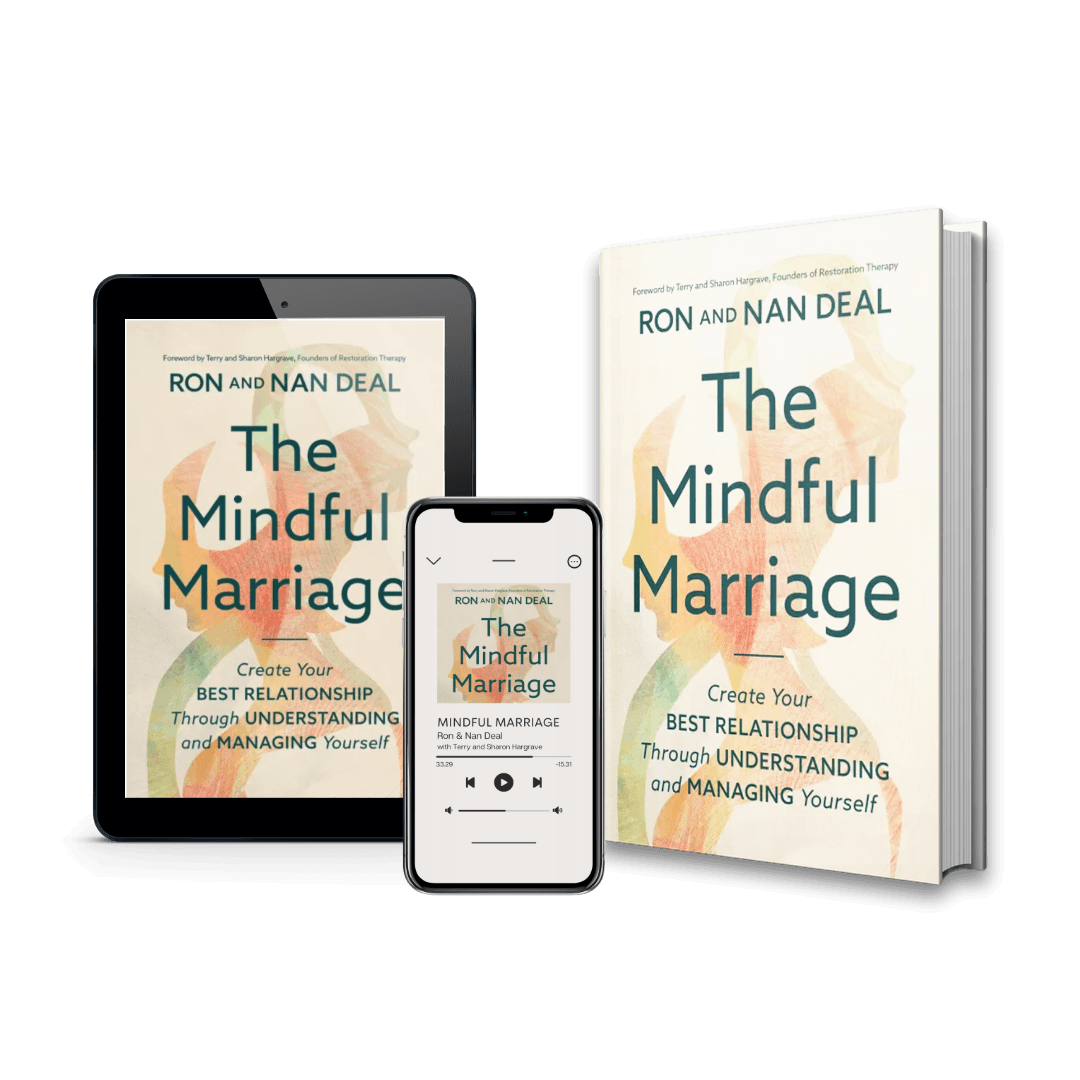
Based on the book The Mindful Marriage. Learn more about the book by clicking here.

Blame reactive coping style

Blame

Shame reactive coping style

Shame

Control reactive coping style

Control

Escape reactive coping style

Escape

Have you ever been in a situation where you are made to feel unimportant, unloved, or emotionally unsafe? We all have. But did you know that how you react to that feeling can affect how, or if, the situation is resolved?

Many people have a default reactive style, a sort of coping mechanism your brain triggers to protect you in a situation that feels unsafe. Take the assessment below to map your emotional reactivity. Once you know and understand your reactive style(s), you can learn how to manage your reactions to create your best relationship.

Directions

Read each scenario below and then indicate which coping style is most similar to yours. The behaviors won’t be exactly like yours; just choose the one that is most like your typical reaction. If more than one resonates with you, check multiple boxes. Click the next button to navigate to the next scenario. Then enter your email address to receive your confidential results directly in your inbox.

You are hoping to talk with or emotionally connect with your partner, but they seem more interested in their screen of choice. Which of the following in general best describes how you might respond?(*)
You are hoping to talk with or emotionally connect with your partner, but they seem more interested in their screen of choice. Which of the following in general best describes how you might respond?
You must select at least one.
Your partner seems a little off, like they’re hiding something. You ask them about it, but they won't open up about what's going on. Which of the following in general best describes how you might respond?(*)
Your partner seems a little off, like they’re hiding something. You ask them about it, but they won't open up about what's going on. Which of the following in general best describes how you might respond?
You must select at least one.
You went out of your way to do some kind things for your partner, but they didn’t notice—and they certainly didn’t say “Thank you”. Which of the following in general best describes how you might respond?(*)
You went out of your way to do some kind things for your partner, but they didn’t notice—and they certainly didn’t say “Thank you”. Which of the following in general best describes how you might respond?
You must select at least one.
You nicely ask your partner multiple times to do a household task, and they agree to do it. But time and again, they fail to follow through. Which of the following in general best describes how you might respond?(*)
You nicely ask your partner multiple times to do a household task, and they agree to do it. But time and again, they fail to follow through. Which of the following in general best describes how you might respond?
You must select at least one.
Your partner used to be much more interested in sex than they are now. There’s not an obvious explanation so you find yourself wondering if they still desire you. Which of the following in general best describes how you might respond?(*)
Your partner used to be much more interested in sex than they are now. There’s not an obvious explanation so you find yourself wondering if they still desire you. Which of the following in general best describes how you might respond?
You must select at least one.
Invalid Input
Please provide a valid email address.

Check your inbox for instructions on how to tabulate your score. By entering your email, you authorize us to send your results and next steps.

This site is protected by reCAPTCHA and the Google Privacy Policy and Terms of Service apply.
Unsubscribe here.

The Mindful
Marriage

Create Your Best Relationship Through Understanding and Managing Yourself
Order Now
The Mindful Marriage

Click any logo to order now

Now Available

In Hardcover, Paperback, Ebook & Audio Book
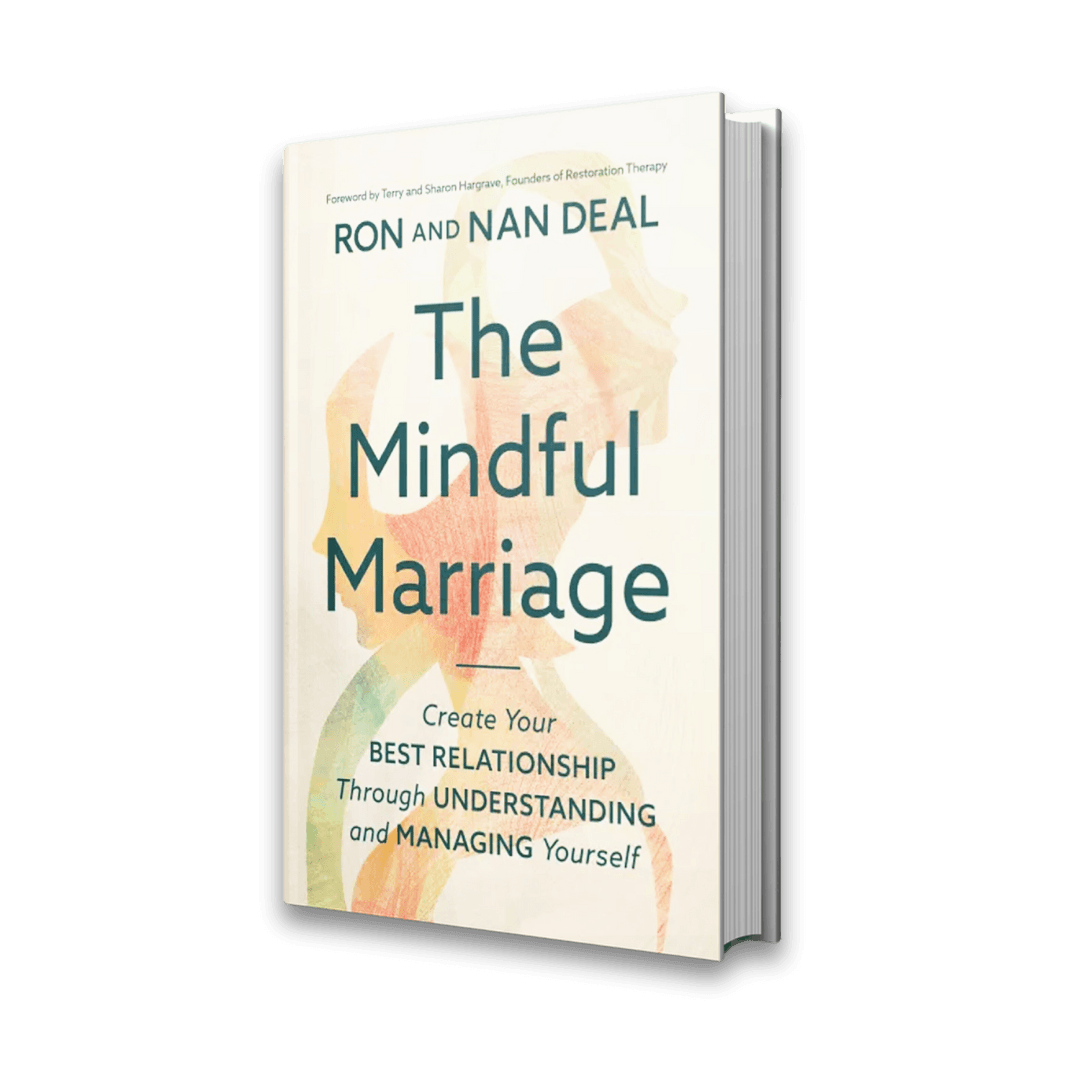
The Mindful Marriage

Backed by neuroscience and biblical principles, this book delivers a therapeutic model for couples who want to stop the painful patterns in troubled relationships as well as healthy marriages, so that they can build a stronger connection.

When Ron and Nan Deal suffered the devastating loss of their child, their marriage was nearly shattered by their destructive cycles. At wits’ end, they sought the help of pioneering therapists Dr. Terry Hargrave and Sharon Hargrave, LMFT, whose transformational Restoration Therapy has helped millions through the practice of emotional mindfulness.

Now, the Deals and Hargraves introduce readers to this proven method that challenges popular beliefs about how relationships work. They show readers how to better understand themselves in times of emotional distress, so that they can self-regulate. Christian readers will especially appreciate the balance of scientifically proven methods along with Scripturally sound teaching, resulting in more loving, faithful marital relationships.

About the Authors

Ron Deal Nan Deal

Ron Deal, MMFT, and Nan Deal, BSE, are popular conference speakers who lead marriage seminars based on Restoration Therapy and a small group for parents who have lost a child. Frequently featured in national media, Ron is the bestselling author of more than a dozen books and resources, a licensed marriage and family therapist, and host of the FamilyLife Blended® podcast. Nan retired from teaching after 25 years and currently works for Live Thankfully. They have three sons, a daughter-in-law, one grandson, and a Golden Retriever and reside in Little Rock, Arkansas.

Terry Hargrave Sharon Hargrave

Terry Hargrave, PhD, and Sharon Hargrave, LMFT, are the founders of Restoration Therapy. Terry served as the Evelyn and Frank Freed Professor of Marriage and Family Therapy at Fuller Theological Seminary and has been training therapists for over 35 years. Sharon served as the Executive Director of the Boone Center for the Family at Pepperdine University, is the Founder of RelateStrong, and maintains a private practice. In their work together as authors, educators, conference speakers, retreat leaders, and trainers, they are passionate about helping people restore love and trust in marriages and families and building close, intimate and connected relationships. They reside in Arizona and have two adult married children and a growing number of grandchildren.

Click any logo to order now